

Telling the Bees
Happy World Bee Day

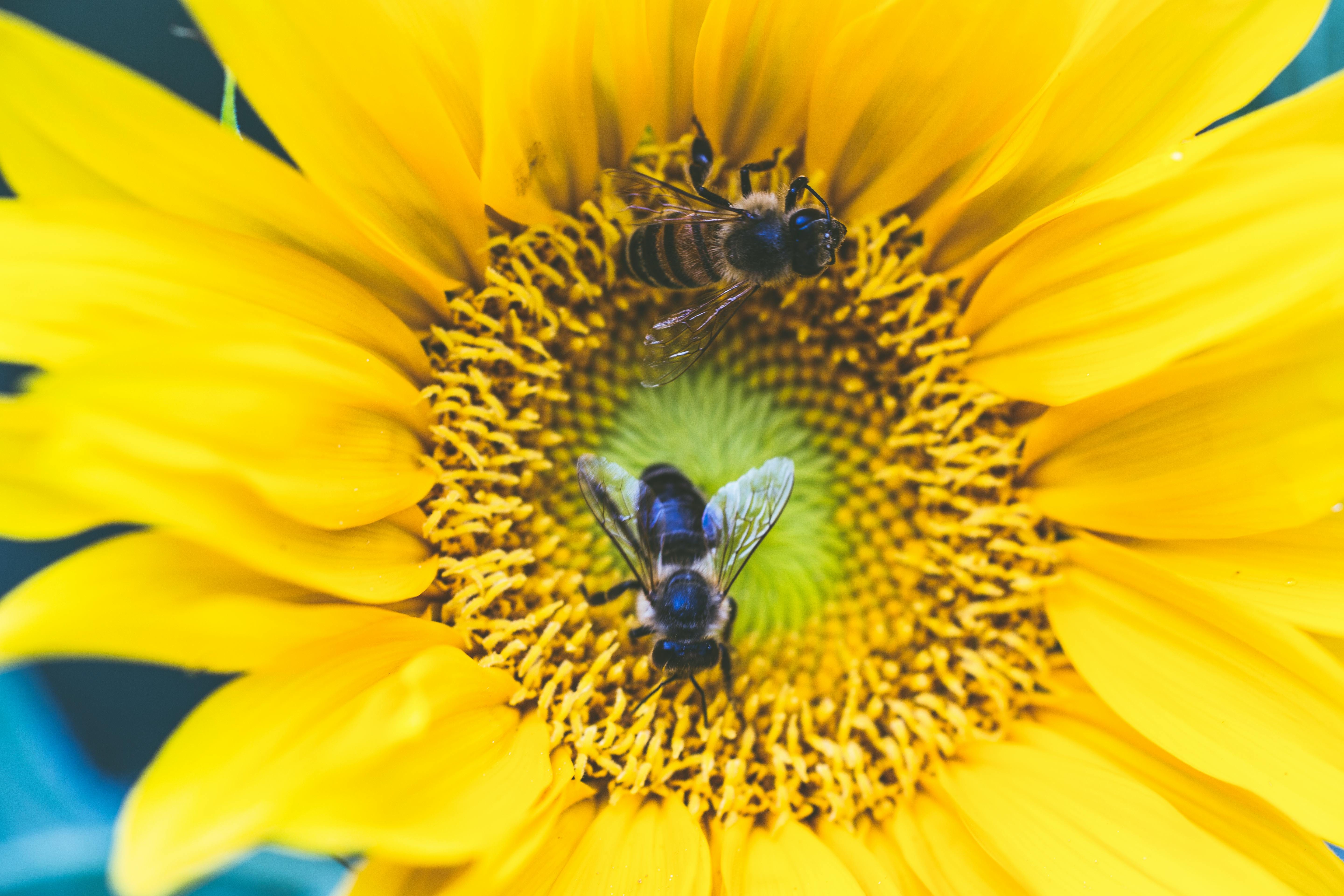
Photo by Markus Spiske
There’s an old Irish tradition called “telling the bees.”
If someone in the household died, the family would walk to the hive and tell the bees what had happened. Sometimes they draped the hives in black cloth. Sometimes they whispered the news softly into the hive, as though speaking to old friends.
The bees had to be informed. If they weren’t, folklore warned that the hive might fail. The bees might leave. Honey production could stop. Misfortune might follow.
At first glance, it sounds like a quaint superstition from a simpler time.
Today is World Bee Day, a celebration meant to remind us how important bees are to the world. Without them, entire ecosystems begin to unravel. Flowers disappear. Crops fail. Life becomes less fruitful, less connected.
But this post is less about pollination and more about that old practice of telling the bees, because we have always needed to tell someone our somethings. We’re more of a hive mind than we like to think, and those thoughts of death, fear, loneliness are easier to carry when they’re shared. Likewise, hope, gratitude, and love are deeper when said out loud.
So, we tell our friends and our pets. We write in journals and cry in cars. We confess things over cups of tea we can barely swallow. And for many of us, we tell God.
Please help me.
Please heal this situation.
Please show me what to do.
Please let my child be safe.
Please open a door.
Prayer and “telling the bees” come from the same human instinct: the belief that we were never meant to carry life alone in silence.
The people who practiced this bee-telling tradition believed the world was alive with meaning. They understood creation was listening. Not in a magical way, necessarily, but in a sacred one. The bees were part of the household, part of God’s plan, witnesses to joy and grief alike.
They weren’t wrong.
There’s something profoundly healing about speaking sorrow aloud. The moment pain leaves your mouth—in prayer, in conversation, in confession—it changes shape. It becomes something shared instead of something trapped inside you.
That’s one reason prayer matters so much, even when answers don’t arrive the way we hoped. Prayer reminds us that someone is listening. That our lives are seen. That our grief and hopes are not simply disappearing into empty air.
Modern culture often calls this “manifesting.” The idea that speaking your desires aloud somehow helps bring them into being. And while I understand the appeal of that language, prayer is deeper and gentler. Manifesting sometimes sounds as though the universe exists to obey us. Prayer recognizes that we belong to Someone wiser than ourselves. Prayer says: I trust God hears me, even when I can’t see His answer. Yet.
Maybe that’s why the tradition of telling the bees still moves people centuries later. It reflects something eternal in human nature: we long to be heard. We have to believe our lives matter to the world around us and to the God who made us
The old stories said bees carried messages between worlds. Prayer does too.
That’s why we stand in kitchens late at night whispering our worries to heaven, why we light candles in churches, send messages in bottles and cast them into the ocean. Somewhere deep inside is the knowledge that silence was never God’s plan for human happiness or sadness.
So we tell the bees.
We tell our loved ones.
We tell the truth.
Happy World Bee Day. Tell your friends.
Kristy Tate is a USA Today Bestselling Author of contemporary women’s fiction, cozy mysteries, and speculative young adult novels. Her stories feature strong, intelligent women who face difficulties, unravel mysteries, and navigate romance with a sense of humor . . . most of the time.